The health of a commercial building often goes unnoticed until the moment a system fails. Whether it is a leak in a hidden line, a recurring drainage issue, or a drop in water pressure, plumbing repair problems in a large-scale facility rarely remain isolated for long. Instead, they typically evolve through stages, moving from minor inconveniences to significant operational disruptions if left unaddressed. Understanding this progression allows facility managers and business owners to shift from reactive emergency repairs to a more sustainable, proactive approach for commercial plumbing services in Denver.
Identifying Early Signs of System Strain
Infrastructure challenges often begin with subtle cues. A faucet that drips consistently, a restroom sink that drains slightly slower than it used to, or a water heater that takes longer to warm up are rarely just random occurrences. In many cases, these are indicators of deeper systemic wear. For businesses in this region, such issues can be accelerated by varying water quality, which often leaves mineral deposits inside pipes, valves, and fixtures.
Ignoring these small signs is a common path toward more complex difficulties. Over time, mineral scale buildup can constrict flow, putting undue pressure on seals and joints throughout a facility. When these components are under constant, elevated stress, they become significantly more likely to fail under the demand of daily operations. Taking a proactive stance when these first signs appear-such as scheduling an inspection or addressing a minor leak immediately-can often prevent the need for more intrusive or costly interventions later on.
How Operational Needs Change as Facilities Mature
As a commercial space ages, the demands placed on its plumbing infrastructure often increase. A building that was initially designed for one level of occupancy or a specific type of usage may eventually support higher foot traffic, more intensive cleaning schedules, or a higher volume of water-using equipment. When the system is not updated to match these shifting needs, the entire network may begin to show signs of overextension.
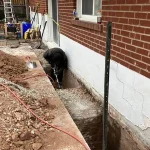
During this stage of a building’s lifecycle, it is common for hidden components-such as sewer lines or main water supply pipes-to face increased fatigue. Factors like ground shifting, temperature fluctuations, and the natural aging of pipe materials all contribute to the degradation of a system. Facility managers should consider how these environmental factors interact with their specific building. Assessing the integrity of older lines through camera inspections is a standard practice that provides clarity on the current state of hidden infrastructure. By understanding the condition of the pipes, owners can make informed decisions about whether to perform targeted repairs or plan for more comprehensive upgrades before a failure disrupts business operations.
Recognizing When It Is Time for Systematic Adjustments
Progress is not always about fixing what is broken; sometimes, it is about recognizing when the system is no longer functioning with necessary efficiency. There are clear indicators that a property has reached a point where localized repairs may no longer be the most effective strategy. Frequent service calls for the same problem, for example, often suggest an underlying issue that traditional patches cannot fully resolve.
When a building reaches this stage, it becomes important to evaluate the long-term effectiveness of continuing with stopgap measures. This might involve looking at whether the existing equipment, such as water heaters, circulation pumps, or commercial-grade fixtures, is still capable of meeting the building’s standards. A knowledgeable service provider can offer insight into whether a system update would result in better reliability and lower energy or water usage. This is a common phase for many facilities, and a thoughtful, phased approach to upgrades is often more manageable than attempting an immediate, full-scale overhaul.
Sustaining Reliability for the Long Term
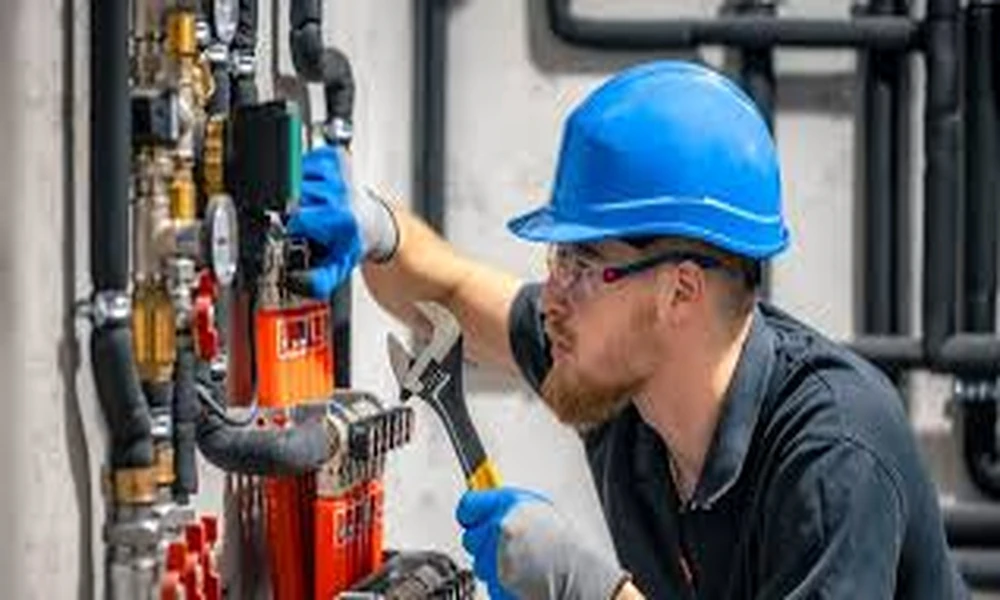
The goal of consistent commercial plumbing services in Denver is to ensure that the infrastructure remains a reliable, invisible asset rather than a source of stress. Sustainability in this context involves regular, planned maintenance that catches potential failures before they occur. This includes checking pressure levels, testing safety valves, inspecting accessible piping for corrosion, and ensuring that drainage systems are clear of debris or blockages.
Beyond routine checks, building owners benefit from maintaining detailed records of the plumbing system’s history. Knowing when a major component was last serviced or replaced provides valuable context for future decision-making. When a service partner understands the specific history and layout of a facility, they are better positioned to offer guidance on how to extend the life of existing equipment while identifying when it is truly time for a change.
Long-term success also depends on fostering a partnership with service providers who view the building as a living, changing environment. By keeping an open dialogue about the facility’s performance and addressing maintenance needs as part of a regular schedule, owners can avoid the cycle of sudden, high-pressure emergency repairs. Ultimately, a well-managed system supports the broader goals of the business, allowing the focus to remain on daily operations rather than the mechanics supporting them. As buildings and technologies continue to evolve, the most successful approach remains one of consistency, observation, and a willingness to adapt the system to the reality of the present.