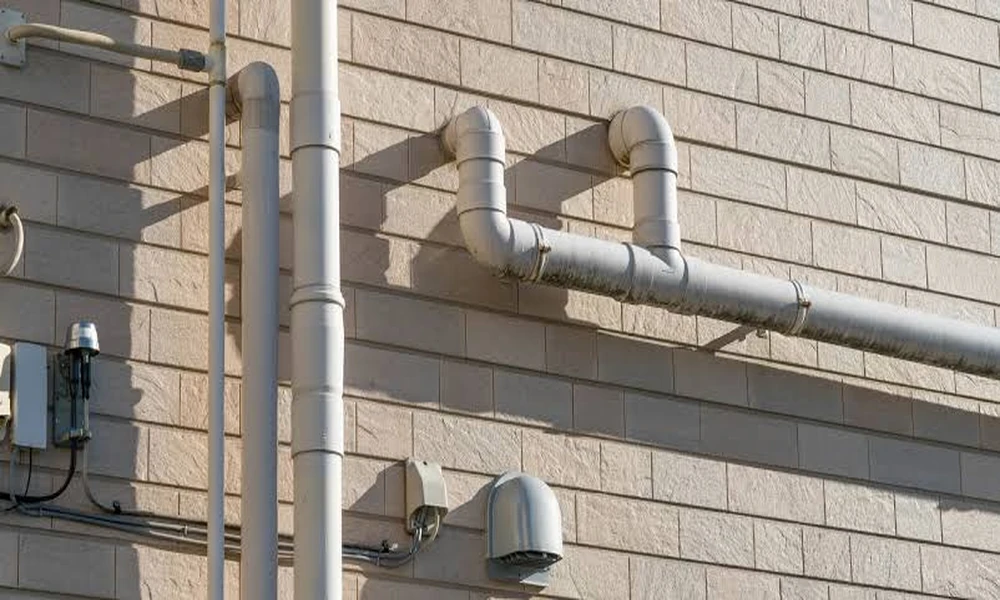
A plumber chasing a slab leak in a 1962 tract house in Anaheim usually has a fair idea of where the copper runs before the first cut is made. What nobody knows until someone checks is what the drywall, the ceiling texture and the flooring above that pipe are made of. Much of Orange County and the Inland Empire was built in a hurry between the late 1940s and the 1970s, and the products of that era carried asbestos and lead paint into countless homes.
None of it causes trouble while it sits undisturbed. Intact asbestos inside a wall or ceiling is largely inert. The risk begins when a saw, a drill or a pry bar turns that material into dust, and ordinary home repairs do exactly that. This is why a crew like FWC, working out of Placentia across both counties, keeps certified asbestos, lead and mold workers alongside its plumbing, electrical and HVAC technicians, so the person opening a wall is trained for whatever turns up behind it. Homeowners do not need to become inspectors, but it helps to know which everyday jobs stir up old materials and why the order of work changes when they do.
The Usual Suspects in a Postwar House
Most of the concern centers on a handful of products common before the early 1980s, some easy to spot and others nearly identical to modern versions.
- Acoustic “popcorn” ceiling texture, sprayed onto bedrooms and hallways well into the late 1970s.
- Drywall joint compound and some sprayed wall textures from the same decades, which means a plain looking wall can still contain asbestos.
- Nine inch square vinyl floor tiles and the black mastic adhesive beneath them, often hiding under newer carpet or laminate.
- Wrap, tape and cement patching on older heating ducts, especially at the joints and around the furnace connection.
- Cement pipe often called transite, used for some sewer laterals, water mains and appliance flues.
- Paint applied before 1978, which may contain lead on trim, doors, window frames and exterior stucco.
Construction date is a useful guide, though it is not a guarantee. Locally, the regional air district does not let a building off the hook based on age alone, and its asbestos rules for renovation and demolition call for a survey by a certified consultant before many projects move forward, with some allowances for small jobs inside single-family homes. If a repair involves cutting, scraping or removing old material, testing first is the safer default.
Rerouting Water Around a Leaking Slab
Slab leaks are common in older Orange County homes, where copper lines run through or beneath the concrete foundation. The fix tends to follow one of two paths. A technician can break into the slab, or the line can be rerouted overhead through walls and the attic.
Rerouting is often the cleaner choice for the foundation, yet it means a series of openings in drywall and ceilings. Each of those holes passes through joint compound, texture and sometimes popcorn ceiling. A positive sample does not end the job. It shifts the work to plastic containment, wet cutting that keeps fibers down, HEPA vacuums and sealed debris bags. A lab result usually takes a day or two, which is why many crews pull samples on the first visit while the water is still shut off.
Panel Upgrades and the Ceiling Above Them
Electrical work stirs up more dust in an older house than most people expect. A household adding an EV charger, an induction range or a heat pump often outgrows the original 100 amp panel, and the upgrade rarely stays inside the panel box. New circuits have to be fished through walls and across ceilings, and a larger panel can mean widening the opening in plaster, drywall or stucco.
Lead becomes the bigger issue here. Trim, door casings and exterior walls around a mid century service entrance are frequently coated in old paint. Under federal renovation rules, contractors working in pre-1978 homes need lead-safe certification when they disturb more than six square feet of interior paint or twenty square feet outside.
Ductwork That Doubles as a Time Capsule
Attic ductwork in older homes can be a museum of materials. Older systems were sometimes wrapped in insulation or sealed with tape and cement products that contained asbestos, and furnace flues in some houses were made from cement pipe. When a homeowner replaces an aging furnace and AC with a new heat pump system, the old ducts usually come out too.
Pulling that ductwork drags whatever is on it across the attic, and attic air finds its way indoors through recessed lights, fixture gaps and the air handler itself. Identifying duct materials first keeps a routine equipment swap from spreading fibers into rooms that were never part of the job.
Water Heaters and the Closet They Live In
A water heater replacement sounds like the simplest job here, and usually it is. Older units in hall closets and garages can still involve a cement pipe flue and closet drywall that needs patching. California also requires earthquake strapping, which sometimes means fastening into old finishes. Knowing what those walls contain keeps a two hour swap from becoming an unplanned cleanup.
When the Water Arrives Before the Plan
The hardest version of this problem shows up after a burst supply line or a backed up drain. Wet drywall and carpet need to come out quickly, since mold can begin growing within a day or two in warm conditions. In an older home, though, the soaked drywall may contain asbestos joint compound, and tearing it out carelessly creates a second problem on top of the first.
Emergency situations are recognized under the local rules, but they still call for trained handling. Wet material actually releases fewer fibers than dry material, which gives a qualified crew a short window to cut and bag it safely. Mold has to be handled on the same visit, so drying, removal and testing work best coordinated rather than split among companies arriving days apart. Adjusters also tend to expect test reports and photos in the claim file, so documentation from the first hour pays off.
Reading the Signs Before Anyone Starts Cutting
The most useful thing a homeowner can do is learn the build year of the house and any remodel history, which is usually available through county assessor records or old permit files. With that in hand, it becomes reasonable to ask any contractor how they plan to deal with older materials before work begins. A good answer mentions sampling, containment and disposal without hesitation.
Test results are also worth keeping. A negative report for a hallway ceiling or a set of floor tiles can save time on the next repair, and a positive one tells future crews exactly where extra care is needed. Old houses in Orange County and the Inland Empire have plenty of life left in them. Treating every opened wall as a small investigation, rather than a quick cut, is how they stay healthy places to live while the pipes, wires and ducts inside them get renewed.