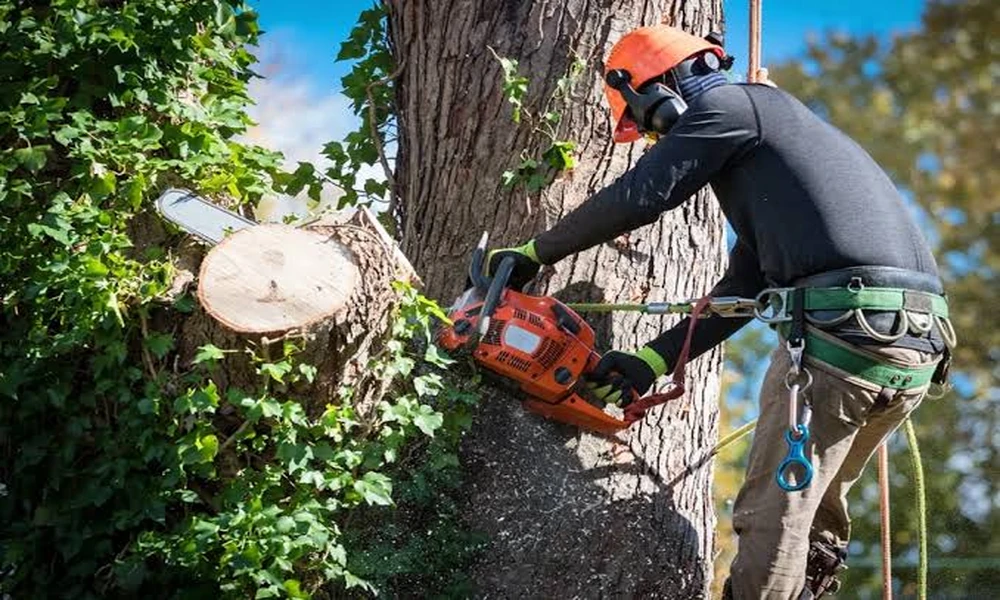
Trees are usually the slowest-changing feature on a property, which is exactly why they’re easy to overlook until something goes wrong. A tree that has been quietly declining for two years looks, at a glance, much like it did the year before.
Ongoing tree maintenance services exist to catch that kind of slow change before it turns into a hazard, rather than treating trees as something to deal with only when a branch is already on the ground.
What Ongoing Maintenance Actually Includes
Beyond scheduled pruning, a proper tree maintenance service typically includes periodic health checks for pests, disease, and structural stress, along with monitoring of root systems near paths, drains, and building foundations. A tree maintenance service built around monitoring, not just cutting, is more likely to catch a problem while pruning alone can still fix it.
Why Monitoring Matters More in a Tropical Climate
Singapore’s year-round growing conditions mean trees don’t get a slow season that gives a maintenance team a natural pause to catch up. A monitoring routine that checks on a tree every few months, rather than once a year, is better matched to how quickly conditions can change here – a healthy tree in January and a stressed one in June is a realistic gap without regular attention.
The Value of a Single Provider Over Time
A property that uses the same certified team for tree maintenance over several years builds up a working history for each tree – how it’s responded to past pruning, whether a particular limb has been a recurring concern, what its typical growth rate looks like. That continuity is difficult to replicate when a different contractor is called in reactively each time.
A tree maintenance plan costs more upfront than waiting and reacting to problems as they appear, but properties that keep one in place tend to have fewer emergency call-outs, and healthier, longer-lived trees, than the ones that only call when something has already gone wrong.