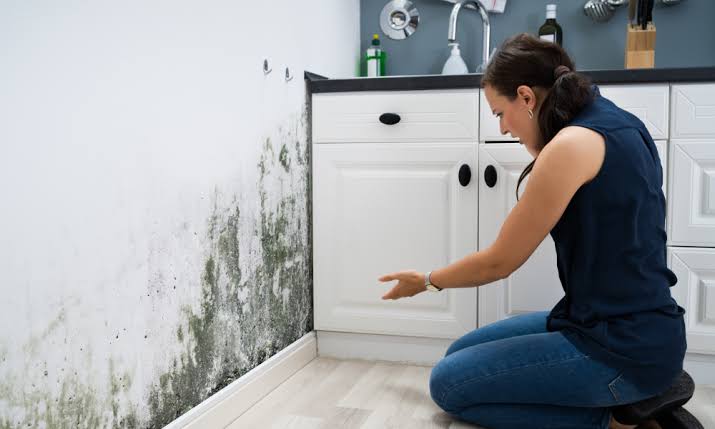
Mould in a commercial property can be easy to ignore at first. A few marks around an air-conditioning vent, a musty smell in a storage room or dark patches on a ceiling might not seem urgent when there are customers to serve and work to get done. But mould rarely stays limited to the first area where you notice it.
The bigger question at work is usually why it happened in the first place. High humidity, condensation, leaks & poor airflow can create conditions where mold keeps returning, even after the visible patches have been cleaned. Beyond wiping or repainting affected surfaces, this is what commercial mould removal has to do.
Why Mould Is Different in a Commercial Property
A mould problem in an office or business premises can be more complicated than one in a small residential room. There may be larger affected areas, multiple rooms, air-conditioning systems, stored materials, furniture & a constant flow of people using the space.
An office, for example, might have mould developing around a ceiling where condensation has been occurring for months. In a restaurant, moisture from cooking & washing can create a very different set of conditions. Warehouses and storage areas have their own concerns, particularly where ventilation is limited.
That means the solution needs to suit the building and how it is being used. Simply treating the most visible patch may leave the underlying moisture problem untouched.
Don’t Ignore the Early Signs
Businesses often notice mould through appearance but that’s not always how the problem starts.
A persistent musty odor may be an early warning sign, especially if you can’t find an obvious source. Look into other areas such as peeling paint, discolored ceiling panels, damp-looking walls & recurring condensation.
You may clean a dark patch on Monday and see it returning a few weeks later. That’s usually a sign that something has been missed. The mould itself may have been removed temporarily but the moisture conditions that allowed it to grow are still present.
Getting the area assessed early can prevent a small maintenance issue from turning into a much larger disruption.
What Can Cause Commercial Mould?
There isn’t always one obvious cause.
Air-conditioning is a common factor in humid environments. Cold surfaces can come into contact with warm, moisture-filled air, creating condensation. Blocked drainage, poorly insulated pipes & air-conditioning issues can make the situation worse.
Leaks are another possibility. A small plumbing leak inside a wall or above a ceiling may go unnoticed until staining or mould appears.
Poor ventilation can also contribute. Areas such as storerooms, washrooms, pantries & enclosed offices may not receive enough airflow to dry out properly.
This is why professional commercial mould removal should begin with finding the conditions that are supporting the growth rather than immediately treating the visible surface.
What a Proper Mould Assessment Should Look At
A useful inspection isn’t simply a quick look at the affected wall.
The surrounding area should be checked for signs of moisture, condensation and possible leaks. Depending on the property, moisture meters, humidity readings, thermal imaging or other inspection methods may help identify areas that aren’t visibly damaged.
This matters because mould can sometimes develop in less obvious places. A visible patch on a ceiling may only be the part of the problem that happens to be easiest to see.
A qualified mould specialist can also help determine whether the issue appears isolated or whether other parts of the property need attention.
Commercial Mould Removal Should Fit Around Your Business
One of the biggest concerns for a business owner is disruption.
Closing an entire office, shop or facility for a mould treatment may not always be practical. In many cases, the work can be planned around operating hours, carried out in sections or scheduled when fewer people are present.
The exact approach depends on the size and location of the affected area. Stock, furniture, equipment & other items may also need to be protected before work begins.
For retail and hospitality businesses in particular, planning matters. A treatment that leaves the premises untidy or unavailable for longer than expected can create a second problem alongside the original mould issue.
A professional team should therefore discuss access, working hours & site conditions before treatment begins.
Why Cleaning Alone May Not Be Enough
It’s understandable to reach for a cleaning product when mould first appears. For a small surface mark, cleaning may remove what you can see. The problem starts when the same area keeps returning.
Mould needs suitable conditions to grow. If moisture remains present, cleaning the surface doesn’t change the environment that allowed it to develop.
Painting over the affected area without dealing with dampness can create a similar problem. The fresh paint may make the wall look better for a while but it doesn’t solve the reason mould appeared there.
Effective commercial mould removal should therefore consider both the mould and the conditions behind it.
Choosing the Right Mould Specialist
Not every mould problem requires the same approach, so it’s worth asking questions before hiring a contractor.
Find out whether they inspect for moisture and identify possible causes before treatment. Ask how they plan to protect unaffected areas & whether they provide information about what was found during the inspection.
It’s also useful to discuss the type of premises involved. Treating a small office is very different from working in a restaurant, warehouse, school or multi-unit commercial building.
A good mould specialist should be able to explain the proposed work clearly rather than simply promising that the mould will disappear.
Preventing the Problem From Coming Back
Once the affected area has been treated, the next step is keeping the conditions under control.
Businesses should keep an eye on areas that have experienced mould before. Air-conditioning systems need appropriate maintenance, leaks should be dealt with quickly & rooms with limited airflow may need better ventilation.
Moist air levels matter too, mainly when the area is closed off. If you keep seeing water droplets form in the same spot, stop & check what is causing it. Don’t just keep wiping the same place over and over.
Small maintenance issues are much easier to deal with before they develop into a larger mould problem.
Protect Your Premises Before Mould Becomes a Bigger Disruption
There is no reason a business should have to accept mold as a part of doing business in a warm humid environment. If you see it happening repeatedly, it generally indicates a moisture or ventilation issue with the property that needs to be addressed.
If you check the issue early, it is usually simpler to map out the tasks. You also reduce the chance of major disruption. A proper commercial mould removal team can treat the places that are affected. They can also point out what conditions helped the mould grow in the first place.
For business owners & facility managers, the goal shouldn’t simply be a cleaner-looking wall. It should be a property where the source of the problem has been properly understood & dealt with the help of mould specialist.