A home’s foundation carries the weight of everything above it, yet it depends on something surprisingly delicate: stable ground. Water is one of the biggest threats to that stability. A leak near or beneath a house can change the soil’s behaviour, and when the soil moves, the structure above it follows. Understanding the connection can help you act before small movements become costly repairs.
How Soil and Water Interact
Soil is not a fixed material. Clay soils expand when wet and shrink as they dry, while sandy soils can wash away when water flows through them. A steady leak creates local wet zones that behave differently from the surrounding ground. One part of the foundation may be supported by saturated soil while another sits on dry, firm earth. That imbalance is what causes trouble.
The Ways a Leak Affects Foundations
Leaking water can harm a building in several ways:
- Soil erosion: Flowing water carries fine particles away, leaving voids beneath slabs and footings.
- Soil softening: Saturated ground loses strength and can no longer support the same load.
- Swelling and shrinkage: Reactive clay expands around the leak and contracts elsewhere, producing uneven movement.
- Hydrostatic pressure: Water pushing against footings or walls adds stress they were not designed to carry.
Each effect may be minor at first. Together, and over time, they can add up to visible damage.
Signs That Moisture May Be Affecting Your Structure
Structural movement tends to announce itself gradually. Look for:
- Cracks in internal walls, particularly diagonal cracks near doors and windows
- Doors and windows that stick or no longer close properly
- Gaps opening between walls and ceilings or around frames
- Sloping or uneven floors
- Cracks in external brickwork or render
- Separation between paths, patios and the house
Not every crack points to a leak. Houses settle naturally, and seasonal changes cause minor movement. Cracks that grow, appear suddenly or cluster near a known wet area deserve a closer look.
Leaks Outside the House
Buried pipes in the yard are a common source. A break in a supply line can saturate the soil near the foundation without any visible surface water. If you suspect this, a specialist in underground water leak detection services can trace the line and locate the break, helping you separate a plumbing fault from natural settling.
Stormwater and drainage problems can add to the issue. Blocked gutters, poorly directed downpipes and flat ground that holds water against the house all increase moisture near the footings. It is worth checking these alongside the plumbing.
Leaks Beneath the House
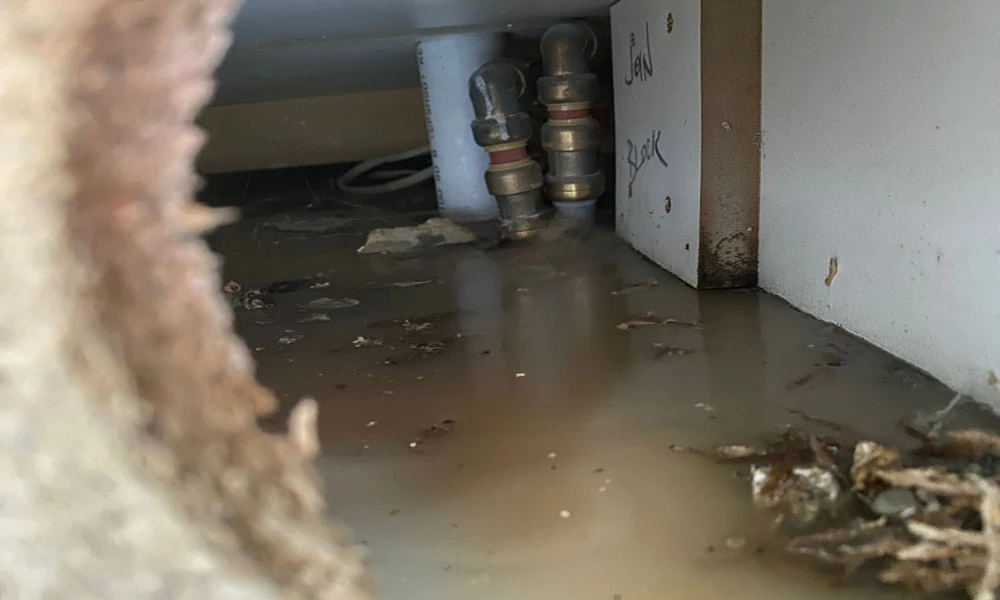
When the leak is under the floor, the effect on the structure can be more direct. Sub-floor timbers, bearers and joists absorb moisture and may weaken over time. Footings and stumps can be undermined by wet soil, and damp conditions invite wood-boring pests.
Because this area is hard to inspect, under house water leak detection is an effective way to find out whether pipes are leaking and whether the surrounding conditions are putting the structure at risk.
Why Timing Matters
Water damage compounds. Early on, the fix may be a single repaired pipe. Once soil has eroded or timber has rotted, the repair list grows to include underpinning, replacement framing, re-levelling and cosmetic restoration. Finding the leak early means you only pay to fix the cause, not the consequences.
Reducing the Risk Around Your Home
You can lower the chance of moisture-related movement with some regular habits:
- Keep gutters and downpipes clear and directed away from the house.
- Make sure the ground slopes away from the foundation.
- Be cautious with large trees planted close to the building.
- Monitor your water meter and bills for unexplained changes.
- Fix dripping taps, overflow pipes and irrigation faults promptly.
- Schedule a plumbing check if your home has older pipes.
When to Call in Experts
If you see structural cracks or movement, a structural engineer can assess the building itself. If water loss is suspected, a leak detection specialist can find the source. Often the two work hand in hand, since fixing the leak is the first step in stopping further movement. It is usually better to rule out a plumbing fault early so that any structural advice rests on accurate information.
What an Assessment Tells Your Engineer
If structural movement is a concern, a leak detection report is useful evidence. It shows whether water is escaping near the foundation, where the leak is, and how long it may have been running. An engineer can then judge whether the movement is linked to moisture or has another cause, which helps ensure the right repairs are carried out in the right order.
Final Thoughts
Foundations rest on soil, and soil responds to water. A hidden leak can quietly change the ground your home depends on. Staying alert to the warning signs, maintaining your drainage and using accurate detection when something seems off will help protect the most important part of your property: the part you cannot see.