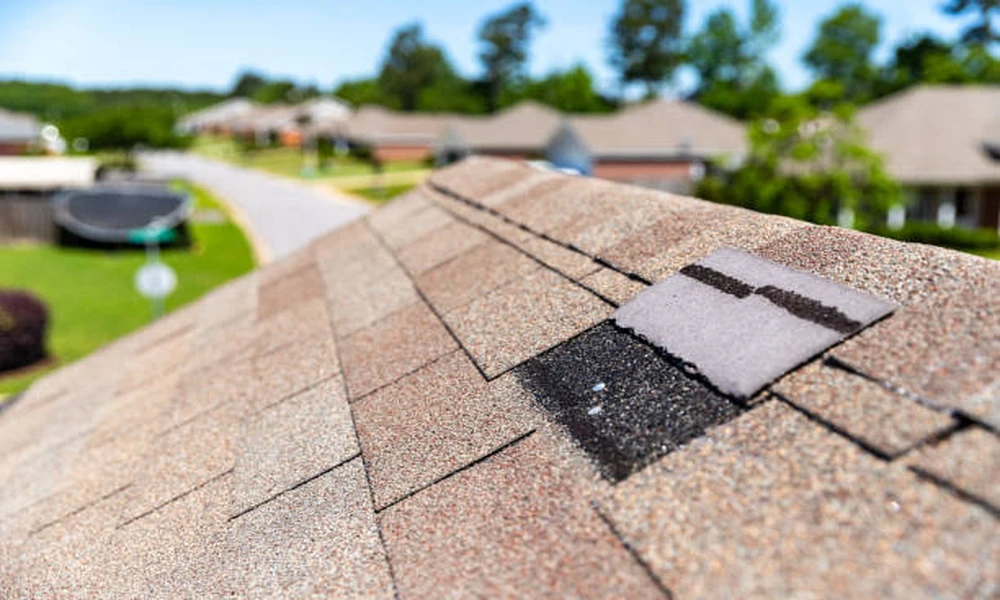
Every roof faces the same opponents sooner or later: sun, ice, wind, rain, hail, snow, falling branches, and creeping damp. Homeowners tend to fear the dramatic ones, like the hailstorm or the windy night. But roofs rarely lose to a single knockout punch. They lose on points, over years.
So let’s stage a tournament. Eight weather villains enter a bracket, each is judged on how much damage it does and how well a roof can defend itself, and one champion comes out on top. It is general information, and the right defenses for your home depend on your roof, your climate, and a close look by a professional.
Quarterfinal One: Sun Versus Wind
The sun is the patient attacker. Ultraviolet light and heat slowly dry out roofing materials, so asphalt shingles lose their flexibility and shed granules, and sealants and rubber boots around vents become brittle. Daily heating and cooling also makes materials expand and contract, a small stress repeated thousands of times. The sun never strikes hard, but it never takes a day off.
Wind is the opportunist. It does little to a roof in good shape and a great deal to one with weak points. A lifted shingle tab, a loose edge, or a flapping piece of flashing gives wind something to grab, and once it gets under a material, it can peel back large sections in minutes.
Winner: the sun, narrowly. Wind needs a weakness to exploit, and the sun is often the one that creates it. Brittle, aging shingles are exactly what a gust takes advantage of.
Quarterfinal Two: Hail Versus Falling Branches
Hail is the loud one. Impacts can bruise shingles, crack them, or knock off protective granules, and the damage is not always visible from the ground. A roof may look fine after a storm while hiding soft spots that shorten its life. The National Severe Storms Laboratory explains how hail forms and why it varies so much in size, which helps explain why one neighborhood can be hit hard while the next street is untouched.
Falling branches are the blunt instrument. A big limb during a storm can puncture a roof outright, and smaller debris scrapes, gouges, and clogs valleys and gutters. Overhanging trees also drop leaves and needles that hold moisture against the roof.
Winner: hail. It can strike an entire roof at once and leave damage that is hard to spot. Branches are more localized, though a tree directly over a house always deserves respect.
Quarterfinal Three: Snow Versus Freeze and Thaw
Snow works through weight and, more importantly, through what melts beneath it. A heavy load is rarely a problem for a properly built roof, but snow insulates the surface and traps heat from the house below, which leads to the next contender.
Freeze and thaw is the sneaky one. Water seeps into small cracks and gaps, freezes, expands, and widens the gap. Then it thaws and does it again. Ice dams, those ridges of ice that form at the eaves, show the cycle at work. Heat escaping from the attic melts snow on the upper roof, the water runs down to the cold edge and refreezes, and the growing dam can force water up and under shingles.
Winner: freeze and thaw. It turns a minor flaw into a leak, and it repeats all winter.
Quarterfinal Four: Rain Versus Humidity
Rain is the obvious opponent, but a healthy roof sheds it without a problem. The danger lies in rain getting somewhere it should not, such as around a poorly sealed chimney, under lifted flashing, or through a worn vent boot. Sheets of wind-driven rain are tougher than a gentle shower, since they travel sideways and find details a normal rain would not.
Humidity works from both sides of the roof. Outside, damp, shaded conditions let algae, moss, and lichen take hold. Inside, warm moist air rising from a house into a poorly ventilated attic condenses on the cold underside of the roof deck, causing mold, rot, and damp insulation without a drop of rain ever getting through.
Winner: humidity, on a technicality. It does damage in places no one sees, which is exactly why it gets underestimated.
Semifinal One: The Sun Versus Hail
The sun, an old foe that wears roofs down gradually, faces hail, an acute event that strikes occasionally. Hail can do dramatic damage in minutes, but only in some places and only some years. The sun works on every roof, every day.
Winner: the sun. Consistency beats spectacle.
Semifinal Two: Freeze and Thaw Versus Humidity
Both are water in disguise, and both exploit small flaws and poor ventilation. Freeze and thaw is seasonal and sharp. Humidity is constant and quiet. But notice what they share: a poorly ventilated, poorly insulated attic makes both far worse. An attic that is warm in winter melts snow and builds ice dams, and an attic that holds moist air year round feeds condensation and rot.
Winner: freeze and thaw, by a hair. In regions with real winters, a roof’s defenses against it are tested hardest.
The Final: The Sun Versus Freeze and Thaw
Two heavyweights, two different strategies. The sun ages everything. Freeze and thaw exploits what age has already weakened. The truth, as in many tournaments, is that they work as a team. Sun-damaged, brittle material cracks, the cracks let in water, and winter finishes the job.
The champion: water, in all its forms. Look back over the bracket. Rain, melting snow, ice, condensation, and humidity are all the same opponent wearing different costumes. The sun and wind soften the defense, but water is what ultimately gets in and does the damage. Most roof failures are moisture failures.
The Referees: What Decides Who Wins the Match
Roofs are not helpless contestants. A few factors decide the outcome of each match, and they are all within a homeowner’s reach.
Ventilation and insulation. A balanced attic, with air entering at the eaves and leaving near the ridge, plus a good insulation layer to stop house heat from escaping upward, takes away much of the freeze and thaw and humidity advantage.
Flashing and penetrations. Chimneys, vents, skylights, and valleys are the usual entry points for water. Well-installed, well-maintained flashing is the single best defense against leaks.
Installation quality. The best material installed badly will lose to the weather, and a modest material installed carefully can hold up for decades. Fastening, underlayment, and detail work matter enormously.
Drainage. Clean gutters and downspouts that carry water away from the house keep moisture from backing up under the roof edge or soaking the foundation.
Maintenance. A seasonal look from the ground, a clear gutter, and small repairs made promptly keep minor flaws from becoming open doors.
Training Camp for Your Own Roof
Before the next season of matches begins, a simple routine helps your roof go in prepared.
- Trim branches that touch or overhang the roof.
- Clear gutters and downspouts, and extend them away from the walls.
- Look from the ground for lifted, curled, cracked, or missing shingles and for rust or gaps in flashing.
- Peek into the attic for stains, damp insulation, daylight, or frost on nail tips.
- Photograph the roof so you can compare year to year.
- Schedule a professional inspection if your roof is older or has taken a hit from a major storm.
Stay off the roof itself. Ground-level observation, binoculars, and a professional’s inspection are safer than climbing.
Choosing Your Coach
If you want an experienced opinion, you could contact a company offering residential roofing in Middlesex County to ask about an inspection and what they would recommend for your home’s age and exposure. Whoever you call, ask them to explain what they find in plain terms, show you photos, and describe which repairs are urgent and which can wait.
Questions worth asking:
- How is my attic ventilated, and is it adequate for my roof?
- What is the condition of the flashing and the roof penetrations?
- How much life do you estimate remains, and what is that based on?
- What would you prioritize if I could only fix one thing this year?
- What warranties cover the materials and the workmanship?
Compare written scopes, not only totals, and be cautious of anyone who pressures you to sign immediately.
The Takeaway
The tournament ends the same way every season. Individual villains grab headlines, but water is the one that wins, and it does so by finding the weak points the sun, wind, and age have left behind. A roof with good ventilation, sound flashing, careful installation, and regular attention gives water very little to work with. Train your roof well, check it often, and it will take every match the weather throws at it.