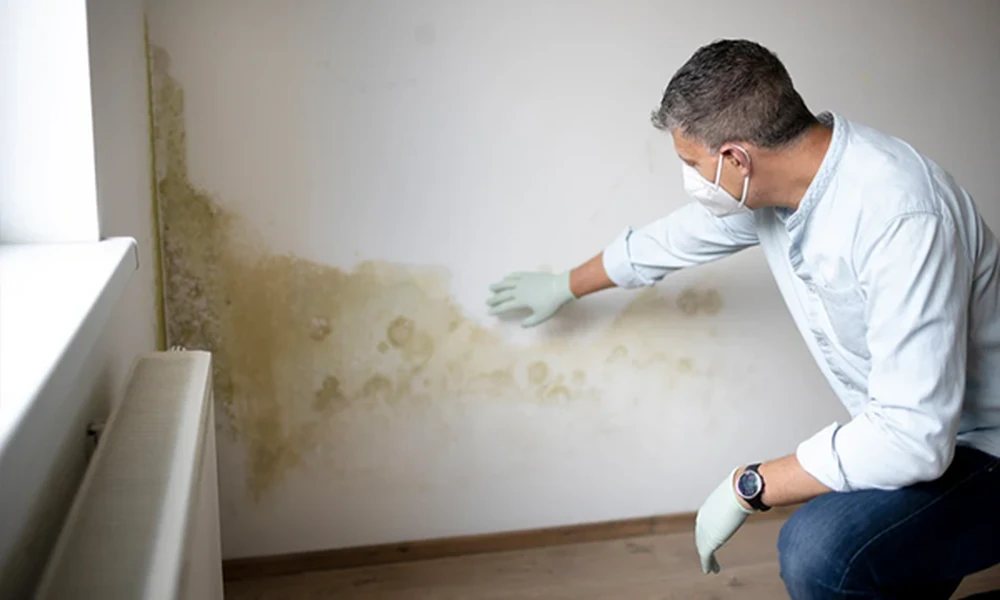
Identifying the presence of mold in a house is a challenge for most people. In some cases, mold and mildew appear on walls and ceilings. However, moisture problems turn up in places that are hidden from your view. A minor plumbing leak or condensation inside the attic creates a favorable environment for mold. This blog provides a room-by-room guide to inspect mold problems in your house.
How to detect mold in every room
During mold inspection in Toronto, professionals focus on every room and take effective steps.
Bathrooms- The main moisture hotspot
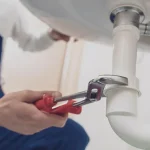
Your bathroom is the most common place where mold and mildews growth. Although the space appears clean and dry, moisture hides behind the walls. The experts will inspect areas, such as beneath sinks, around plumbing connections, and inside vanity cabinets.
Leaking pipes and cracked caulking also lead to moisture buildup in your bathroom. Mold inspection specialists in Toronto will take the right step to remove mold or keep bathrooms moisture-free.
Kitchen- Inspecting beyond the countertop
Kitchens have a number of water sources that need attention during mold inspection. The reliable professionals will focus on your plumbing systems and appliances that develop slow leaks. As some areas remain hidden behind your appliances or cabinets, the moisture issue will remain unnoticed. Stains on the surface and musty odors are a few common signs of mold problems.
Basement- Detecting humidity and groundwater problems
Basements are exposed to moisture, as they are located partly below the ground level. Water may enter through leaking pipes and foundation cracks. High humidity leads to damp conditions in your basement. While inspecting the basement, professionals will check the foundation walls, floor joints, storage areas, and exposed frames.
The Laundry Room- Appliance problems and plumbing leaks
Laundry rooms are equipped with drainage systems, water supply lines, and appliances. That is why hidden moisture is a common problem with these rooms. The mold inspection specialists will thoroughly inspect the washing machine hoses, nearby walls, and the floor.
This is how they will evaluate every room and find the signs of mold.