Pipes are expected to work quietly behind walls, beneath floors, and underground for years. However, no plumbing system lasts forever. Leaks, corrosion, cracks, mineral buildup, and changing water pressure can eventually affect pipe performance. When a problem appears, homeowners often face an important decision: should the damaged pipe be repaired, or is replacement the more practical choice?
The answer depends on factors such as the age of the plumbing, the extent of the damage, the pipe material, and whether similar problems have occurred before. Homeowners can make a choice that safeguards both their property and their finances by being aware of these concerns.
Repair Makes Sense For Isolated Damage
When damage is confined to a small portion of an otherwise dependable plumbing system, a repair is frequently necessary. A minor leak caused by a loose connection, damaged fitting, or localized crack may not justify replacing an entire pipe.
For example, if a relatively new plumbing system develops a leak at one joint, repairing that particular area may restore normal performance. In these situations, the surrounding pipe should still be inspected to confirm that there are no broader signs of deterioration.
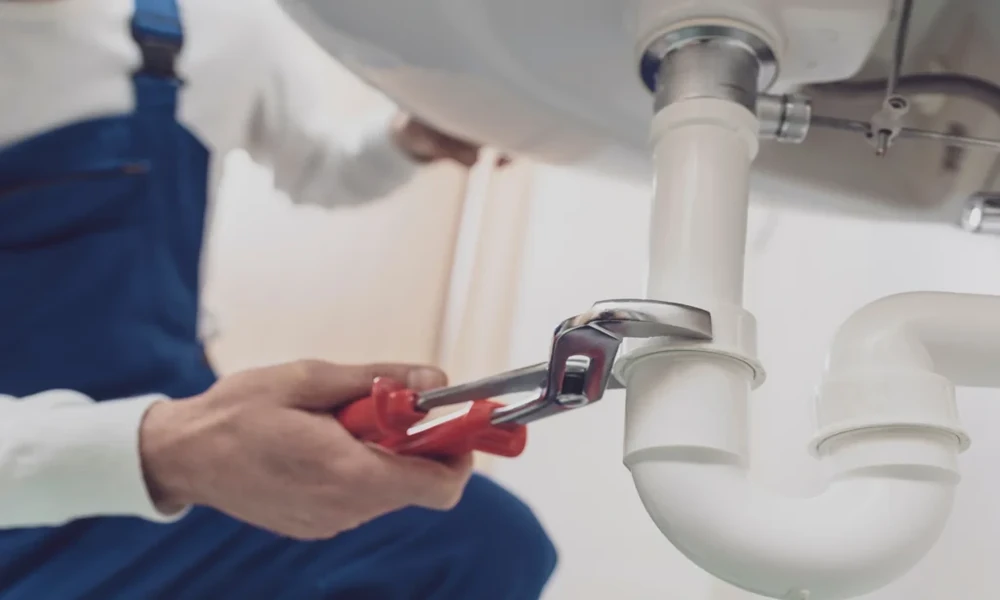
Professional plumbers Houston TX homeowners rely on can evaluate whether a problem is genuinely isolated or part of a larger issue. A careful inspection can help prevent homeowners from spending money on unnecessary replacement while also reducing the risk of overlooking hidden damage.
Consider The Age Of The Pipes
Pipe age is an important consideration when deciding between repair and replacement. Different piping materials have different expected service lives, and older pipes naturally become more vulnerable to deterioration.
Repairing one small problem in an aging system may provide temporary relief, but another leak could develop elsewhere soon afterwards. If several sections show corrosion, weakening, or recurring leaks, replacement may provide better long-term value.
Homeowners with older properties should consider the overall condition of their plumbing rather than focusing exclusively on the most recent leak.
Repeated Leaks Can Signal A Larger Problem
One leak does not necessarily indicate that a pipe needs complete replacement. Multiple leaks within a relatively short period, however, deserve closer attention.
Frequent repairs can gradually become expensive and inconvenient. They may also indicate widespread corrosion, excessive pressure, poor installation, or deteriorating pipe materials. Continuing to patch individual areas could simply delay an unavoidable replacement.
Keeping records of previous plumbing repairs can be useful. If the same pipe or plumbing section repeatedly requires attention, replacing it may be more economical than continuing with temporary fixes.
Water Quality Can Reveal Pipe Deterioration
Changes in household water can sometimes provide clues about pipe condition. Discolored water, unusual tastes, visible particles, or persistent odors may indicate corrosion or buildup inside older pipes.
Reduced water flow can also occur when mineral deposits gradually restrict the inside diameter of a pipe. Repairing a single external leak will not solve widespread internal deterioration. When buildup or corrosion affects substantial portions of the plumbing system, replacement may be necessary to restore dependable water flow.
Location And Accessibility Matter
The location of the damaged pipe can influence the decision. A pipe that is easily accessible beneath a sink may be straightforward to repair. Pipes hidden behind finished walls, beneath flooring, or underground can involve additional labour and restoration costs.
If significant access work is already required, homeowners may consider replacing a larger section instead of repairing one weak point. This can reduce the likelihood of reopening the same area for another repair later.
Compare Immediate Costs With Long-Term Value
For small issues, repair is sometimes more appealing due to its lower initial cost. However, the cheapest immediate solution is not always the most economical over several years.
Homeowners should compare the expected life of a repair with the cost and durability of replacement. If a repaired pipe is likely to develop additional problems soon, replacement could reduce future service calls, property damage risks, and inconvenience.
Making A Practical Plumbing Decision
Choosing between pipe repair and replacement requires more than simply looking at the visible damage. Pipe age, material, repair history, water quality, accessibility, and overall system condition should all influence the decision.
Minor, isolated damage in a healthy plumbing system can often be repaired effectively. Widespread corrosion, recurring leaks, restricted flow, or aging pipes may make replacement the smarter investment. A thorough professional assessment helps homeowners choose an option that addresses the current problem while supporting the reliability of their plumbing system for years to come.