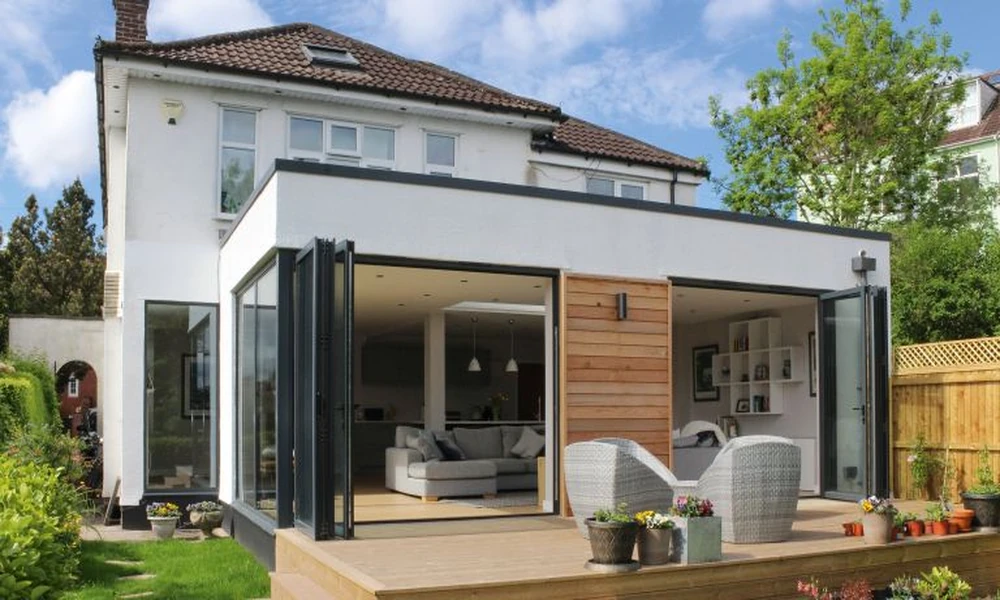
Imagine stepping into a home that seamlessly blends comfort and style, with every corner reflecting your personal taste and meeting your family’s needs. In Greater Manchester, where space can be a luxury, extending your current home can turn this dream into reality.
Finding professional builders for single and two story extensions can be a difficult task with cowboys everywhere. Searching Google for terms like local extension builders, building services, home improvements is a good place to start.
Whether you’re eyeing a cosy single-storey extension or a grander two-storey project, the journey begins with choosing the right builder. This guide will walk you through the essential steps to find a reliable house extension builder who can transform your vision into a concrete masterpiece.
Are you ready to uncover the secrets to unlocking the potential of your home?
Core Insights
- Understand your home’s potential for extension and the types of builders available
- Decide if you need a single storey extension or a double storey extension
- Determine the purpose and design requirements for your extension
- Get a clear picture of extension costs and budgeting
- Discover how to find reputable builders in Greater Manchester
- Learn the importance of reviews and planning permissions
Assessing Your Home’s Potential for Extension
Before diving into blueprints and builder lists, it’s crucial to assess your current home’s potential for an extension. Begin by evaluating the space you already have and how it can be transformed.
A home extension isn’t just about adding rooms; it’s about enhancing your living experience. Consider consulting a structural engineer who can provide insights into what your property can support and any constraints you might face.
Type of Extension Needed
Next, identify the type of extension that best suits your needs. Whether you’re considering a modest single-storey addition or a more expansive two-storey project, understanding your options is key.
Take into account factors like building regulations, neighbour considerations, and the impact on your property’s value. Discuss potential ideas with potential builders who have experience in house extensions to get a feel for what’s feasible. Their expertise can help you envision how different designs could unfold, ensuring your renovation aligns with your aspirations.
Identifying the Purpose of Your House Extension
The purpose behind your house extension is the compass guiding every decision you’ll make. Many homeowners embark on this journey to create a dedicated home office, add an extra bedroom, or expand a kitchen.
An extension can cater to these needs, but without a clear understanding of its function, you might end up with a space that feels disconnected from your lifestyle.
By pinpointing your objectives, you can influence the design choices effectively. For instance, if the goal is an open-plan kitchen, consider the flow between spaces and how it complements your daily routine.
Double storey extension vs a single storey extension
Likewise, a 2 storey house extension can provide multiple rooms, each serving a distinct function. Aligning your extension with your daily activities not only boosts its practicality but also enhances overall value addition to your home.
Moreover, clearly defined goals will ensure the extension aligns with your lifestyle improvements. Whether it’s creating a serene retreat or a bustling family hub, the right extension should feel like a natural extension of your life.
This clarity will guide you through the design process, making it easier to communicate your vision to architects and builders.
Determining Your Space and Design Requirements
Your space needs play a pivotal role in determining both the size and layout of your extension. Start by envisioning how you’d like to use the new space.
Do you dream of an open plan kitchen living area that encourages family gatherings, or perhaps a quiet corner for personal reflection? These desires will guide the spatial planning and layout decisions.
Beyond space, your design requirements should harmonise with your existing home architecture. This ensures the extension feels like a natural part of your home rather than an afterthought.
Consider working with an architect who can help marry your vision with practicality, ensuring that elements like fold doors or wraparound extensions integrate seamlessly.
Identifying required features early helps manage expectations and costs. Prioritising must-have elements ensures satisfaction with the final outcome.
As you outline these details, remember to balance practicality with aesthetics. The goal is to create a space that’s both functional and pleasing to the eye.
Evaluating House Extension Costs and Budgeting
One of the first things homeowner do is find out extension costs. Greater Manchester Extension Costs tend to be a lot lower than their counterparts in the South.
Embarking on a home extension project demands a clear understanding of costs and budgeting. From the outset, it’s essential to get a comprehensive breakdown of expenses to avoid surprises down the road. This allows you to align your dreams with financial reality, ensuring your project stays on track.
Breakdown of Typical House Extension Costs
Labour costs often take up a significant chunk of your budget. Skilled tradespeople, from builders to electricians, play a crucial role in bringing your extension to life. Their expertise, however, comes at a price, and it’s critical to factor this into your planning from the start.
Remember to Calculate for Materials
Next, consider the material quality for your extension. High-quality materials might have a higher upfront cost, but they promise durability and a polished finish. Whether you’re considering a garage conversion or a loft conversion, the choice of materials can significantly influence both cost and outcome.
Don’t forget about professional fees. Architects, structural engineers, and other specialists bring invaluable insights to your project, but their services come with fees that should be accounted for.
Additionally, always allocate a portion of your budget for unforeseen expenses. Construction projects often encounter unexpected challenges, and a contingency fund can help you tackle these without derailing your plans.
Finding the Right Extension Builder in Greater Manchester
Finding the right builder is arguably one of the most crucial steps in your extension journey. In Greater Manchester, where architectural styles and regulations can vary, local expertise becomes invaluable.
A builder familiar with the region will not only understand the local building codes but can also offer insights into design trends that resonate with the area’s character.
Start by seeking recommendations from neighbours or friends who have undertaken similar projects. Word-of-mouth referrals often lead to partnerships with trusted builders. Once you have a list, delve into their portfolios to get a feel for their craftsmanship and style. Look for builders who demonstrate versatility and creativity in their past projects.
Conduct personal interviews with potential builders. This face-to-face interaction can reveal much about their approach and how well they understand your vision.
Discuss your ideas, expectations, and any concerns you might have. A good builder will listen, offer suggestions, and work with you to refine your plans.
Key Qualities to Look for in an Extension Builder
When evaluating builders, experience is a top priority. Look for those with proven success in similar projects. This track record provides confidence in their ability to deliver quality work on time. Additionally, strong communication skills are vital. A builder who keeps you in the loop throughout the process ensures a smooth and transparent journey.
Understanding local building regulations is another critical quality. Builders with this knowledge can navigate the red tape efficiently, keeping your project on schedule.
Finally, a reliable builder with a reputation for high-quality work is worth their weight in gold. They not only bring expertise but also earn your trust through their dedication to excellence.
The Importance of Reviews and Testimonials in Choosing a Builder
In today’s digital age, reviews and testimonials can serve as a guiding light in your search for the perfect builder. They provide candid insights into a builder’s strengths and weaknesses, helping you make an informed decision. Pay attention to feedback that highlights consistent satisfaction and reliability.
Case Studies and Client Feedback on Builders
Exploring case studies can give you a deeper understanding of a builder’s problem-solving abilities and creative solutions. These real-world examples showcase how they approach challenges and deliver on promises. Similarly, client feedback often reveals the builder’s ability to meet expectations and adapt to changing circumstances.
Positive testimonials signal a builder’s commitment to excellence and customer satisfaction. They’re a testament to their ability to meet clients’ needs and exceed expectations. While reading reviews, pay attention to those that detail specific aspects of the builder’s work, such as timeliness, communication, and attention to detail.
Importance of choosing local house extension builders for your renovation
Local builders tend to manage their own projects and use a reliable team of contractors including plumbers, electricians, plasterers and bricklayers all of whom are fully qualified, insured and registered with the appropriate bodies.
Navigating the Planning Permission Process for Extensions
Planning permissions can be a bit of a maze, but they’re a crucial part of extending your home. Engaging a builder familiar with planning laws early in the process can save you time and stress. They’ll guide you through the requirements and ensure your application is spot on.
Understanding your local council’s needs can reduce approval times significantly. Each council has its quirks, and knowing these can make a world of difference. Professional guidance simplifies the complex procedures involved, giving you peace of mind that everything is being handled correctly.
Awareness of potential restrictions is crucial for setting realistic project expectations. With all the right permissions in place, you can move forward confidently, knowing your dream extension is on the horizon.
In conclusion, embarking on the journey to extend your home in Greater Manchester is an exciting venture. By understanding your home’s potential, defining your extension’s purpose, and selecting the right builder, you can transform your living space into something truly special. The process may have its challenges, but with careful planning and the right partners, you’re well on your way to achieving your dream home.
What vision do you have for your home, and how do you see it evolving in the coming years?
How Much Value Can a Home Extension Add?
Although every property is different, a well-designed and professionally built home extension can significantly increase the value of your property.
The exact amount will depend on factors such as your location, the size and type of extension, the additional living space created and the overall standard of the work.
In many cases, a carefully planned extension can add considerable value while also making your home more practical and enjoyable. Creating a larger kitchen, an open-plan kitchen and dining area, an additional bedroom or extra family living space can make a property particularly attractive to future buyers.
The amount of value a home extension could add will depend on several factors, including:
- The size and layout of your existing property
- The type and size of the extension
- How much additional usable floor space is created
- The quality of the construction and finish
- Local property prices and buyer demand
- Whether the extension adds desirable features such as an extra bedroom, bathroom or larger kitchen
- How well the new extension integrates with the existing property
For many families in Greater Manchester, extending an existing home can also be a practical alternative to moving. Rather than facing the costs and disruption of buying a larger property, a home extension allows you to create the additional space you need while improving the property you already own.
Frequently Asked Questions
What is the 50% rule for house extension?
The 50% rule for house extensions refers to the planning permission guidelines in the UK. Essentially, this rule states that you cannot extend your house if it means that more than 50% of your garden or land around the original home will be covered by buildings or extensions.
It’s important to check with your local council as rules can vary, and exceeding this limit could require planning permission. Always make sure to verify current regulations before proceeding with your project.
How to find good local extension builders for your project?
Finding a reputable builder requires a bit of homework. Start by asking for recommendations from friends or family who’ve had similar work done. Check online reviews and ratings for local builders.
It’s also wise to verify credentials and memberships in professional bodies like the Federation of Master Builders. Don’t shy away from asking potential builders for references and visiting past projects. Finally, get multiple quotes to compare prices and services offered, ensuring you find a reliable builder within your budget.
How much do builders charge for an extension?
The cost of a house extension can vary widely depending on location, materials, and complexity. On average, you might expect to pay between £1,200 and £2,000 per square metre.
This rough estimate can fluctuate with additional features or high-end finishes. It’s crucial to get detailed quotes from several builders, including all potential costs, to avoid surprises. Remember to budget for extras like planning fees, architect costs, and VAT. Always leave a little wiggle room for unexpected expenses during the project.
Is it worth getting an architect for an extension?
Hiring an architect for your extension is often worthwhile, especially for large or complex projects. An architect can help maximise space, ensure compliance with building regulations, and bring creative solutions to your design. They can also manage the project, liaise with builders, and handle planning applications.
While it adds to the cost, an architect’s expertise can save money in the long run and enhance the overall quality and functionality of your extension. Assess the scope of your project to determine if an architect’s services would be beneficial.